Beliefs and the people who shaped them
How Belief Coding® and Love Languages often turn out to be looking at the same personal history from complementary angles.
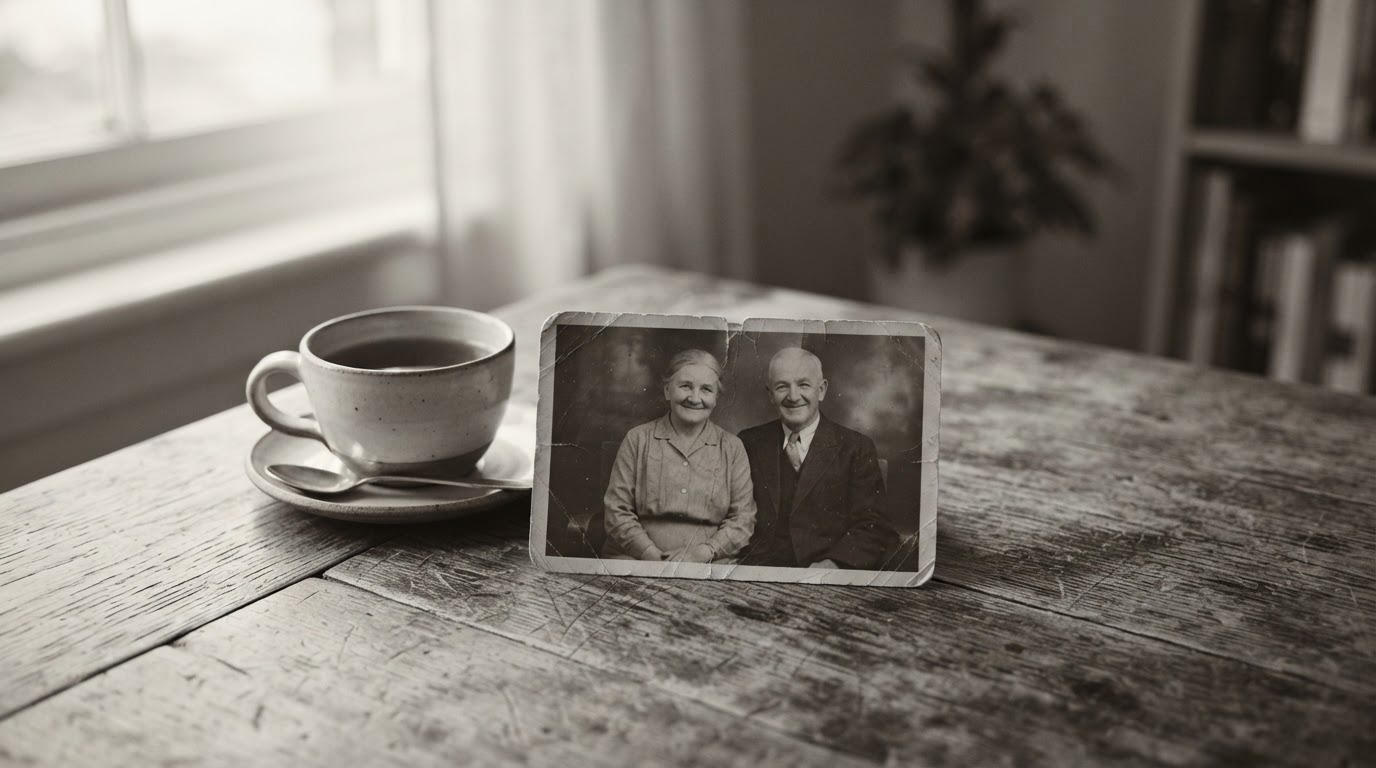
A limiting belief rarely arrives out of nowhere. It usually comes attached to a specific person, a family dynamic, or a key period in our lives where we formed conclusions about safety, worth, and belonging.
This is why Belief Coding® and Love Languages so often complement each other in our sessions. One modality asks: 'What belief am I carrying, and where did it originate?' The other asks: 'How was care and approval expressed or withheld around that moment?'
For example, someone who learned in childhood that affection was only given when they achieved top marks might carry an adult belief that 'I am only worthy when I am producing results.' That single belief impacts both their career boundaries and how they receive love from a partner.
By looking at both the underlying belief (using Belief Coding® conversation) and the relational dynamic (using Love Languages), we gain a much clearer picture of the whole pattern.
As a Belief Coding® facilitator in training, I use structured frameworks, tools, and reports to help guide these reflections cleanly without making medical or diagnostic claims.
You can choose to focus on just one modality or let our conversations weave between them naturally based on what comes up.
Fancy a chat? Get in touch.
Interested in learning more about how Belief Coding® fits into our reflective coaching process? Read about the full framework on our dedicated page.
Learn more about Belief Coding®This is reflective coaching, not therapy, medical treatment, or psychological diagnosis. If you are in crisis or need clinical support, please contact a qualified health professional or a local emergency service.
Yes. They often illuminate the same underlying theme from complementary directions. You can also focus on just one if preferred.